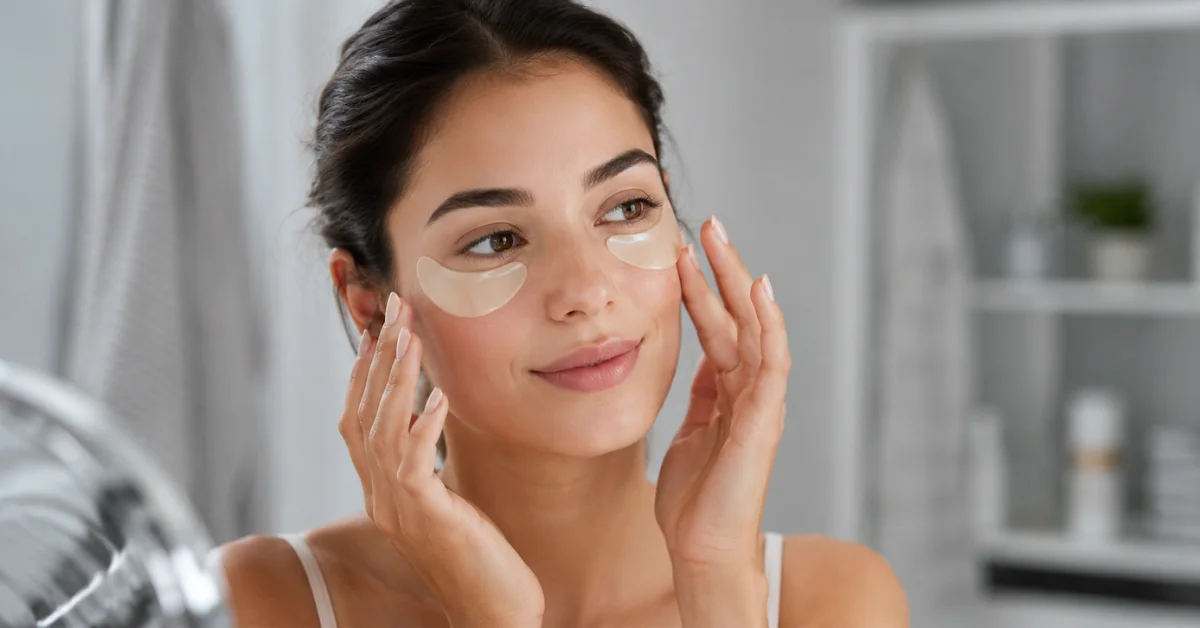
Your under-eye area is thin, delicate, and honestly a little dramatic. One bad night of sleep and it shows up everywhere: puffiness, dullness, that tired look no amount of concealer quite fixes. That is exactly why under eye patches have become a five-minute ritual for so many people. But not every pair on the market actually delivers, and most buying guides skip the part that matters most: whether the science backs up the promise.
This guide covers the best under eye patches by type, what actually works and why, and the parts of your routine that patches alone can never fix. No fluff, no exaggerated claims, just a clear, practical breakdown.
What Under Eye Patches Actually Do
Under eye patches are small, pre-soaked pads designed to sit against the skin under your eyes for ten to thirty minutes. They work in two ways.
First, they create an occlusive seal. This traps moisture against the skin and temporarily plumps the surface, which is why your under-eyes look smoother right after use. Second, many patches carry active ingredients like caffeine, peptides, or hyaluronic acid that sit in direct contact with the skin long enough to have a mild, short-term effect.
Here is the part most brands will not tell you: the visible improvement from a single use is largely temporary hydration and de-puffing, not permanent collagen rebuilding. That does not make patches useless. It just means you should judge them by what they are built to do, refresh and de-puff, rather than expecting them to replace a full skincare routine or a dermatology treatment.
How to Choose the Best Under Eye Patches for Your Skin
Not all patches are built the same, and the material matters as much as the ingredient list.
Hydrogel patches
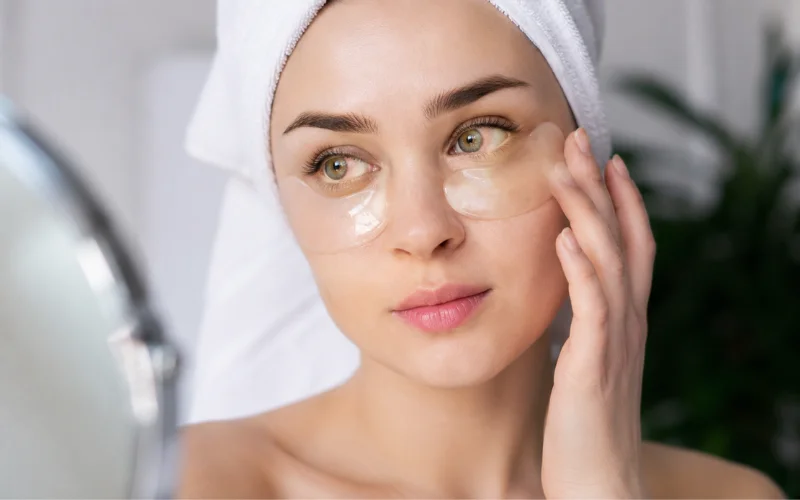
These are the most common type. They are cooling, hold a lot of moisture, and work well for puffiness and instant refreshment. Great for quick fixes before an event.
Foil or gold patches
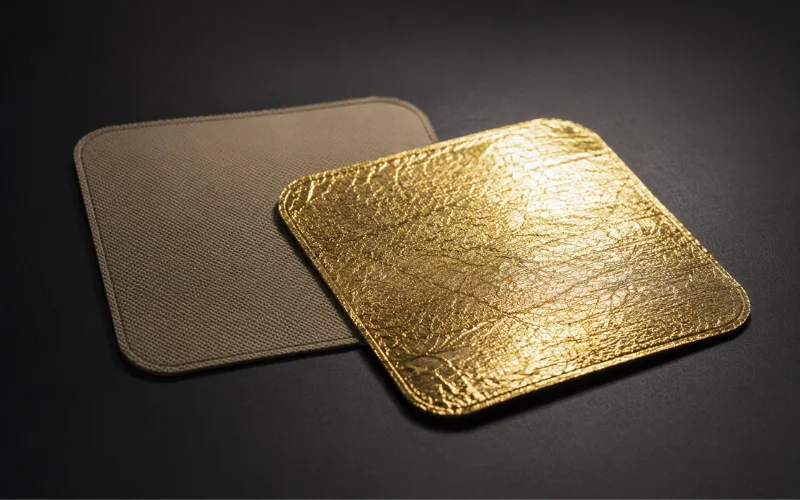
These reflect and hold in heat, which can boost circulation slightly. They tend to feel more luxurious but do not always outperform hydrogel in actual results.
Silicone patches
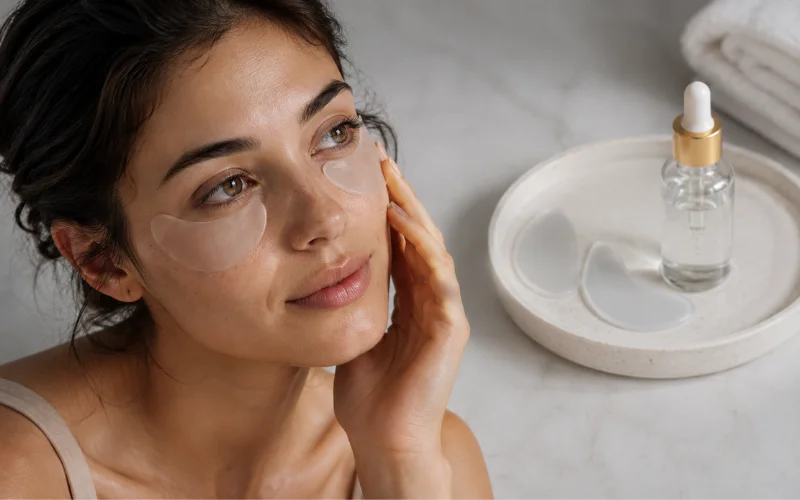
Reusable and eco-friendlier, silicone patches are typically paired with a separate serum. They are a smart pick if you use eye patches often and want to cut down on waste.
Microfiber or fabric-based patches
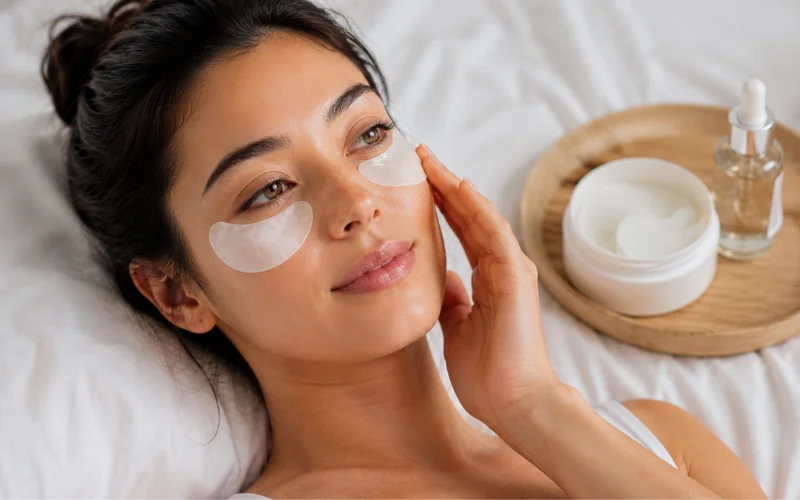
These absorb serum well and mold to the skin closely, which makes them a good option for people who move around during their patch time.
If you are shopping for the best under eye patches for your own routine, start with your main concern. Puffiness responds best to cooling hydrogel with caffeine. Dark circles benefit more from patches with vitamin C or niacinamide. Fine lines do best with peptide-forward formulas used consistently over weeks, not days.
What to Look For in the Best Under Eye Patches
A few ingredients show up again and again in genuinely effective formulas, and it helps to know what each one is doing.
- Caffeine: Tightens the look of skin and reduces the appearance of puffiness by constricting blood vessels near the surface.
- Hyaluronic acid: Draws moisture into the skin, giving an immediate plumping effect.
- Peptides: Support the skin’s natural structure over time, though results here require weeks of regular use, not a single session.
- Niacinamide: Helps even out tone and can soften the look of dark circles.
- Antioxidants like vitamin C: Help brighten skin and protect against everyday environmental stress.
Fragrance-free formulas are worth prioritizing too. The under-eye area is more prone to irritation than the rest of your face, and added fragrance is one of the most common triggers for reactions in this zone.
Best Under Eye Patches by Use Case
Rather than pushing one “best overall” pick, it helps to match the patch to the moment.
For morning puffiness
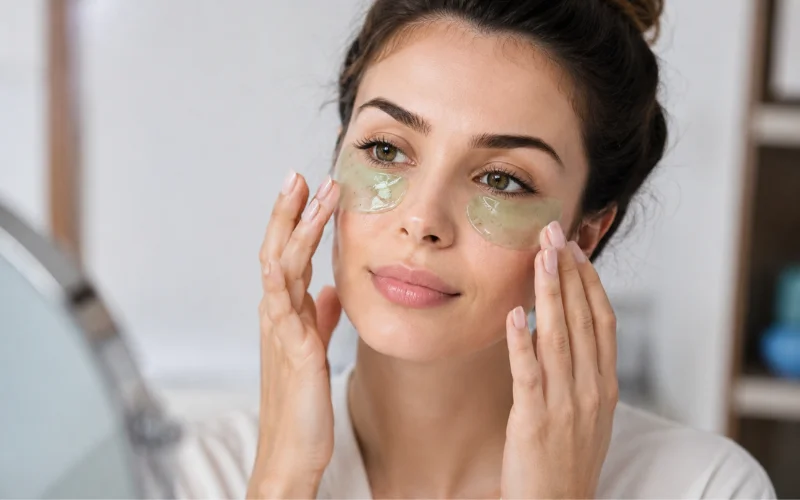
Reach for a cooling hydrogel patch with caffeine. Keep a pack in the fridge. The chilled temperature alone does a lot of the de-puffing work.
For a big event or photos

Foil or gold-infused patches give a temporary tightened look that photographs well, making them a popular pick for weddings or interviews.
For daily, budget-friendly use
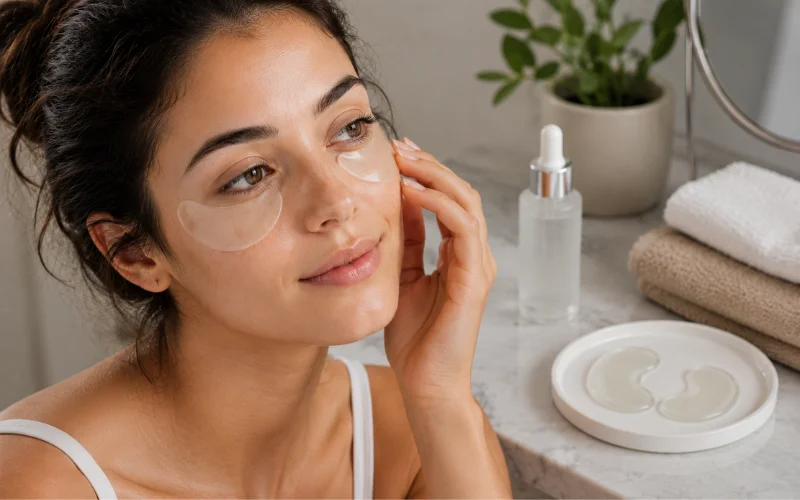
Silicone reusable patches paired with an affordable serum are the most cost-effective option over months of regular use.
For dark circles specifically
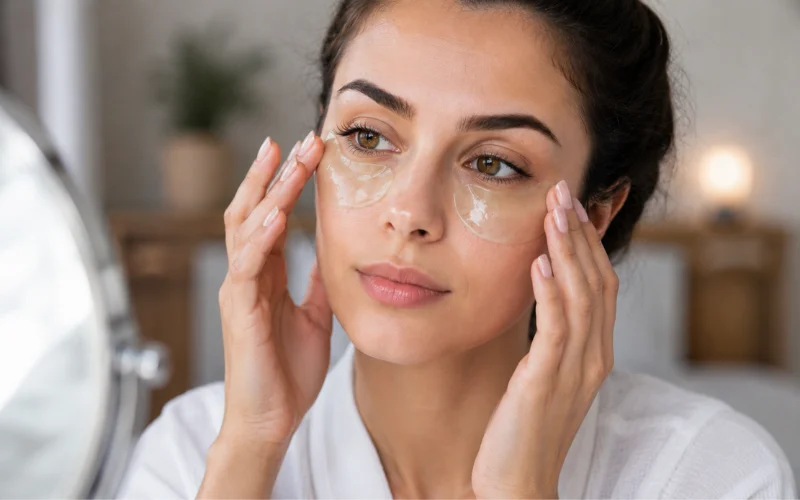
Look for formulas built around vitamin C, niacinamide, or licorice root extract, and be patient. Dark circles are often a mix of pigmentation and thin skin, so results build gradually.
For fine lines around the eyes
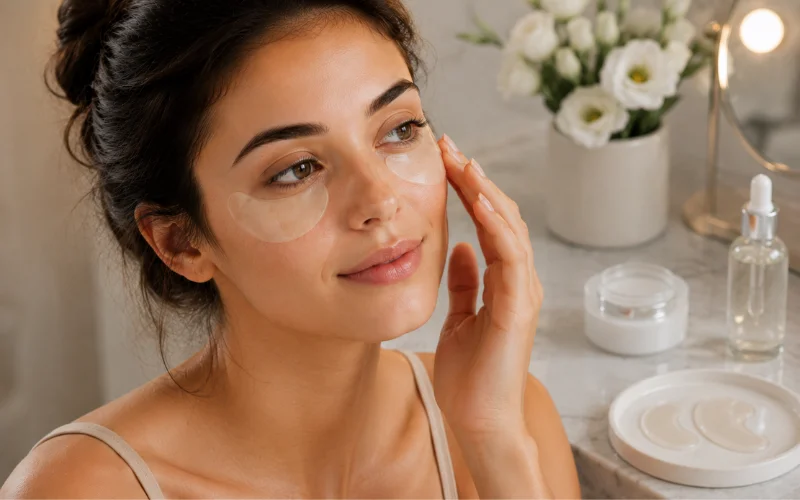
Peptide-based patches used three to four times a week for six to eight weeks show the most consistent improvement in skin texture.
The Lifestyle Factors Patches Cannot Fix
This is the part most shopping guides leave out completely, and it matters more than the patch you choose.
- Sleep position: Sleeping face-down or on your side can cause fluid to pool under the eyes overnight. Sleeping on your back with your head slightly elevated reduces this.
- Salt intake: A high-sodium meal the night before is one of the most common causes of morning puffiness. Your body retains water to balance sodium levels, and the thin skin under your eyes shows it first.
- Allergies: Seasonal allergies cause inflammation and fluid buildup around the eyes. If puffiness comes and goes with pollen season, an antihistamine may do more than any patch.
- Smoking and dehydration: Both break down collagen and reduce skin elasticity over time, making dark circles and hollowing more visible.
If your puffiness or dark circles are tied to one of these habits, patches will help in the moment, but the underlying cause will keep bringing the problem back.
When Under Eye Patches Are Not Enough
Patches are a maintenance tool, not a medical treatment. If dark circles or hollowing are caused by genetics, volume loss, or visible blood vessels under thin skin, topical products, patches included, have a real ceiling on what they can achieve.
In those cases, a dermatologist may recommend:
- Dermal fillers to restore lost volume under the eyes
- Laser resurfacing to address pigmentation and skin texture
- Microneedling to stimulate collagen production over time
- Chemical peels for stubborn discoloration
None of this means you should skip patches. It just means you should have realistic expectations, and know when it is worth booking a consultation instead of buying another jar of patches hoping for a different result.
How to Use Under Eye Patches for the Best Results
Getting the technique right matters as much as the product itself.
- Cleanse your face first so the patch sits on clean skin, not on top of makeup or sunscreen.
- Apply patches to slightly damp skin for better adhesion.
- Leave them on for ten to twenty minutes. Longer is not always better, and some patches can dry out and pull moisture back out of the skin if left too long.
- Remove gently, starting from the outer corner and moving inward, to avoid tugging the delicate skin.
- Pat in the leftover serum rather than rinsing it off immediately.
- Always patch test a new product on your inner arm for 24 hours before applying it near your eyes, especially if you have sensitive skin.
Frequently Asked Questions
How often should I use under eye patches?
Two to three times a week is enough for most people. Daily use is fine for hydrogel patches with gentle formulas, but check the label if the patches contain stronger actives.
Do under eye patches really work?
Yes, for temporary de-puffing, hydration, and a brighter look. They are not a permanent fix for dark circles or fine lines, but they deliver real, visible short-term results.
Can under eye patches cause irritation?
They can, particularly fragrance-heavy formulas or products left on too long. Always patch test first, and remove them if you notice stinging, redness, or itching.
What is the difference between eye patches and eye cream?
Eye cream is a daily leave-on product, while patches deliver a concentrated, short burst of hydration and active ingredients. Many people use both, cream daily and patches a few times a week for an extra boost.
Should I store my eye patches in the fridge?
Yes, if you want the added de-puffing benefit. The cold temperature helps constrict blood vessels and reduce swelling, on top of whatever the formula does.
Are reusable silicone patches better than disposable ones?
They are better for your wallet and for waste over time, but you need to pair them with a separate serum. Disposable patches are more convenient and often better suited for travel.
Can men use under eye patches too? Absolutely. Puffiness, dark circles, and fine lines do not discriminate by gender, and the same ingredients and application steps apply.
Why do my eyes still look puffy after using patches?
If puffiness returns quickly, the cause may be lifestyle-related, like salt intake, allergies, or sleep position, rather than something a patch alone can solve.
Final Thoughts
The best under eye patches are not the ones with the flashiest packaging or the biggest claims. They are the ones matched to your actual concern, used consistently, and backed by ingredients that have real evidence behind them. Puffiness responds fast to cooling hydrogel and caffeine. Dark circles and fine lines take patience and consistency. And if lifestyle factors like sleep, salt, or allergies are working against you, no patch can fully outrun that.
Treat under eye patches as one smart tool in a bigger routine, not a miracle fix, and you will get far more out of every pair you use.