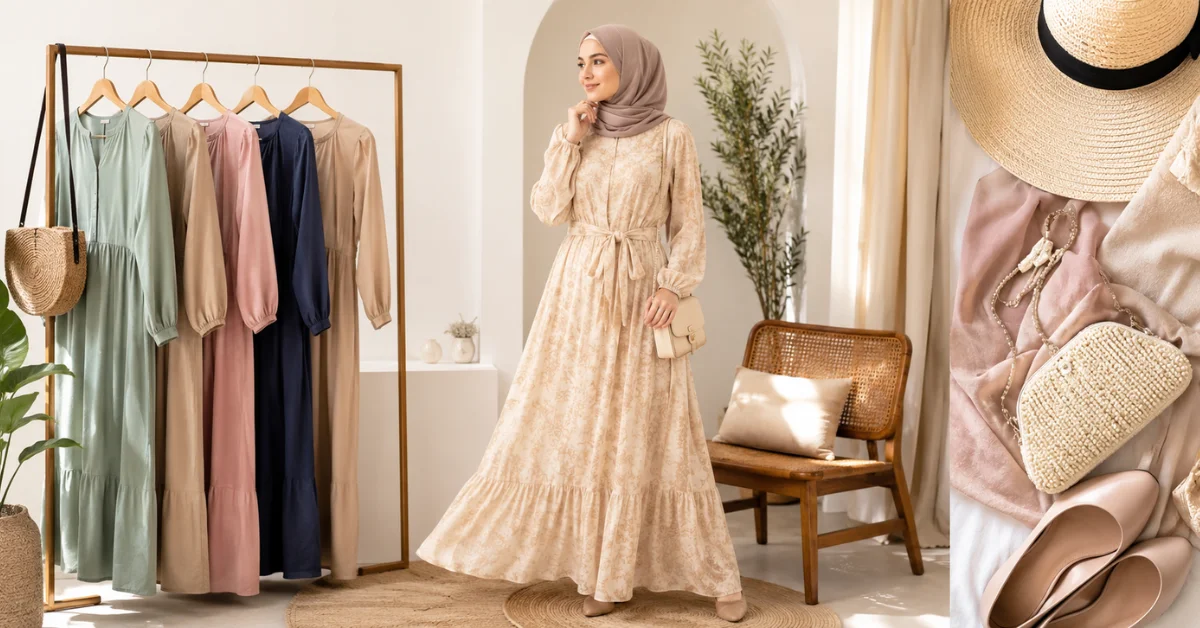
modest maxi dresses is a floor- or ankle-length dress with full coverage — typically a high neckline, sleeves that reach at least the elbow (often the wrist), and a non-clingy, non-sheer fabric that skims rather than hugs the body. The defining features are length, coverage, and fabric weight: the hem falls below the ankle bone, the sleeves cover the upper arm fully, and the silhouette stays loose enough to move, sit, and bend in without exposing the body underneath.
If you’re shopping for one right now, the fastest way to narrow your search is by occasion and fabric. For everyday wear, look for cotton or jersey maxis with long sleeves and pockets. For weddings or formal events, chiffon, satin, or crepe in a deeper color photographs better and drapes more elegantly. For summer, linen-blend or lightweight rayon keeps you cool without sacrificing coverage. Sizing runs differently across brands, so always check the brand’s own size chart rather than relying on US standard sizing — modest dress labels often cut more generously through the shoulders and bust to accommodate layering.
The rest of this guide walks through why modest maxi dresses have become such a wardrobe staple, how to choose the right one for your body and budget, and where shoppers most often go wrong.
Why Modest Maxi Dresses Have Become a Wardrobe Essential
The rise in demand for modest maxi dresses isn’t just a fashion trend — it reflects a real shift in how women shop for coverage without giving up style. A few forces are driving this.
First, there’s a values-driven market. Women who dress modestly for religious or personal reasons — Muslim, Jewish Orthodox, LDS, Pentecostal, and other faith communities, as well as women who simply prefer more coverage — have historically had thin options. Mainstream retailers offer maxi dresses, but very few are built with sleeve length, neckline height, and lining as standard features rather than afterthoughts. Brands that specialize in modest maxi dresses fill that exact gap.
Second, the maxi silhouette itself solves a practical problem. A floor-length dress eliminates the guesswork of “is this too short,” “do I need leggings underneath,” or “will this ride up.” One dress, correctly chosen, handles sitting, walking, bending, and movement throughout a full day without requiring constant adjustment.
Third, fabric technology has caught up. A decade ago, “modest” often meant heavy, stiff, or boxy. Now brands use jersey knits, modal blends, and lightweight wovens that drape naturally, breathe in warm weather, and still meet full-coverage requirements. That’s a major reason modest maxi dresses now read as fashion-forward rather than purely functional.
How to Choose the Right Modest Maxi Dresses
Picking the right modest maxi dresses comes down to four decisions: fabric, fit, length, and occasion. Get these right and almost any style will work for you.
Fabric: Match It to How You’ll Actually Wear It
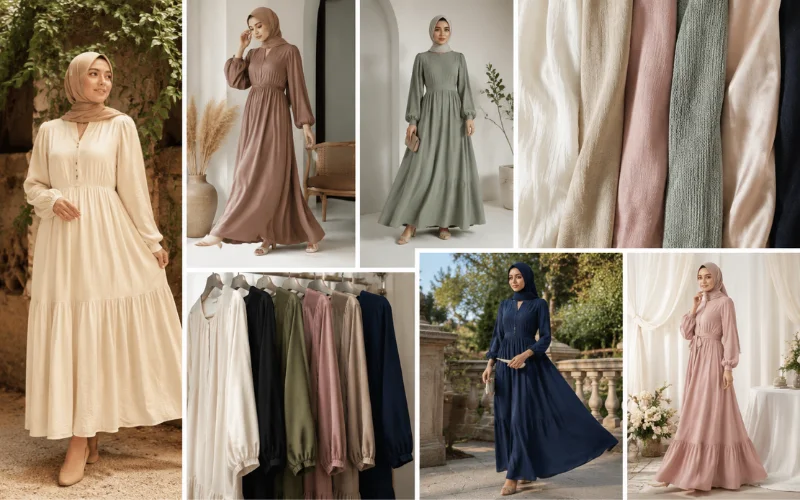
Fabric determines comfort more than any other factor, and it’s the detail shoppers skip most often when buying online.
- Cotton and linen blends breathe well and suit daytime, errands, or warm climates, but they wrinkle and can cling slightly in humidity.
- Jersey and modal knits stretch with movement, resist wrinkling, and travel well — a strong pick for everyday modest maxi dresses you’ll wear repeatedly.
- Chiffon and georgette flow beautifully for evening or formal wear but usually need a lining underneath for full opacity; check the product description specifically for “fully lined,” since sheer chiffon without lining defeats the modesty purpose.
- Satin and crepe hold structure and photograph well for weddings or events, though they show body lines more than knit fabrics, so sizing up slightly often helps.
Fit: Where Most Buyers Go Wrong
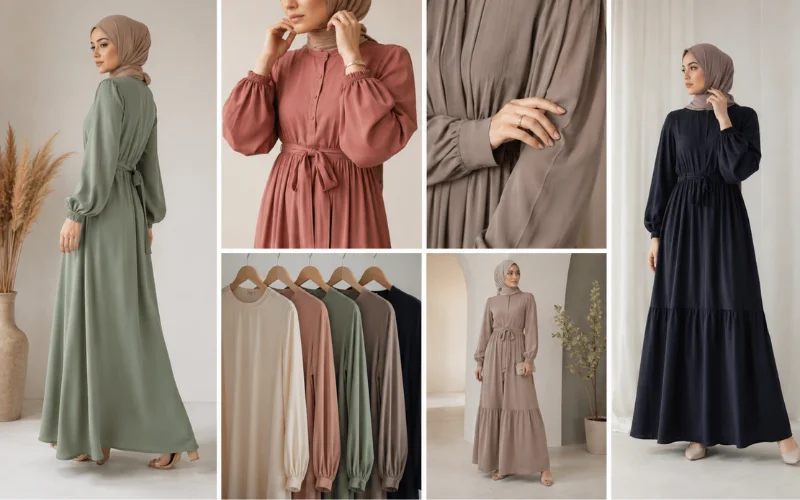
The single biggest fit mistake is buying based on US dress-size habits instead of the brand’s actual measurements. Modest dress brands often size differently than mainstream fast fashion because the goal is coverage and comfort, not body-skimming fit. Always check:
- Bust and shoulder measurements, since sleeve coverage depends on shoulder width, not just bust size.
- Garment length against your height, especially if you’re under 5’4″ or over 5’8″, many brands now list multiple length options for exactly this reason.
- Waist definition, because an empire waist, tie-waist, or belted style will fit very differently than a straight A-line, even in the same size.
Length and Hemline
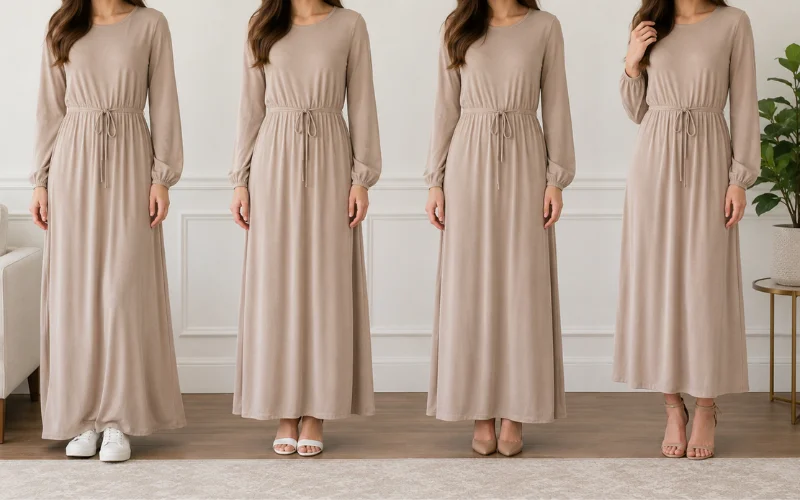
“Maxi” should mean ankle-to-floor, but the exact hem varies by brand and by your height relative to their size chart. If you’re petite, look specifically for “petite-friendly” tags or a shorter length option, since an unhemmed maxi dragging on the ground is the most common complaint in reviews. If you wear heels regularly, size up in length; if you’re usually in flats, a slightly shorter standard length will prevent tripping.
Occasion
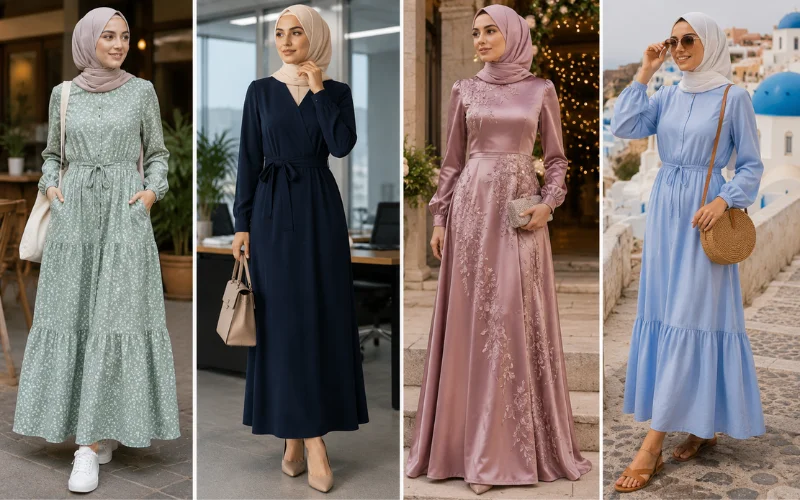
Match the fabric weight and detail level to where you’re actually wearing it:
- Everyday/casual cotton, jersey, or linen-blend, solid colors or small prints, often with pockets
- Work structured fabrics like ponte or crepe, darker solids, minimal embellishment
- Formal/wedding guest satin, chiffon, or embroidered designs in jewel tones or pastels
- Travel/vacation wrinkle-resistant knits or lightweight wovens that pack small
Step-by-Step: How to Shop for a Modest Maxi Dresses Online
Start with occasion, not style.
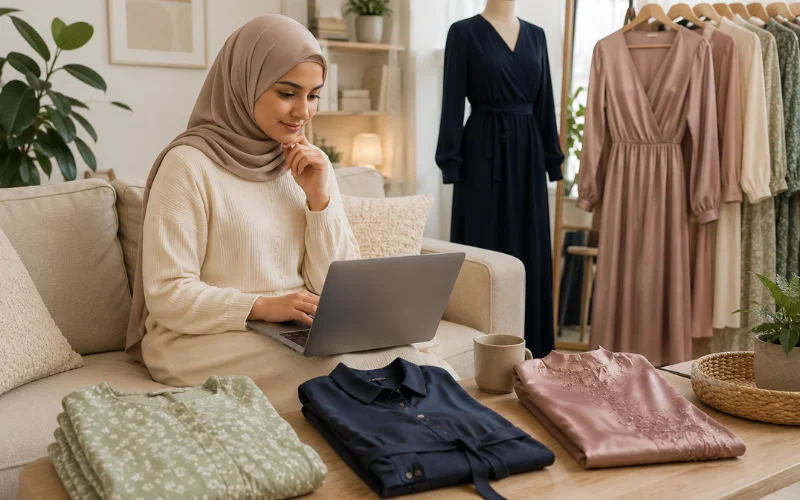
Decide whether you need everyday, work, or formal coverage before browsing — it narrows fabric and price range immediately.
Pull up the brand’s size chart, not the generic size label
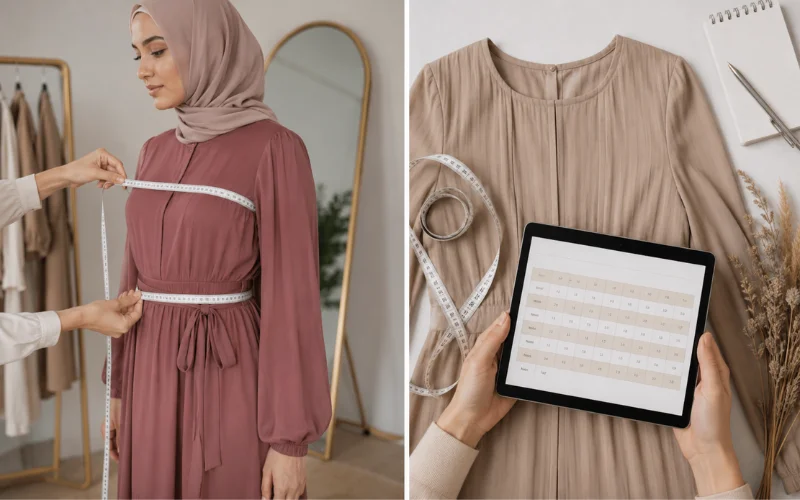
Measure your bust, waist, and hips and compare directly to the chart in inches or centimeters.
Check the lining and opacity notes
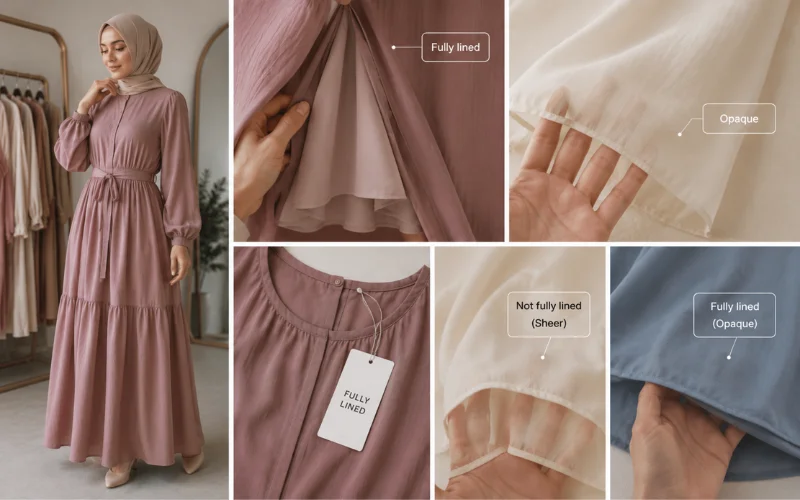
Look specifically for “fully lined” or “opaque” in the description, especially for lighter fabrics like chiffon or rayon.
Confirm sleeve and neckline details
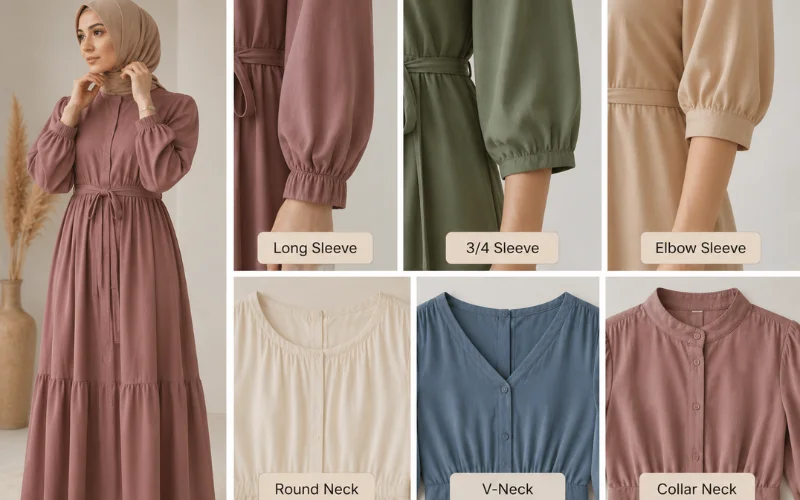
Product photos can be deceiving; read the actual sleeve length (long, 3/4, elbow) and neckline style in the description.
Read reviews for true-to-size feedback
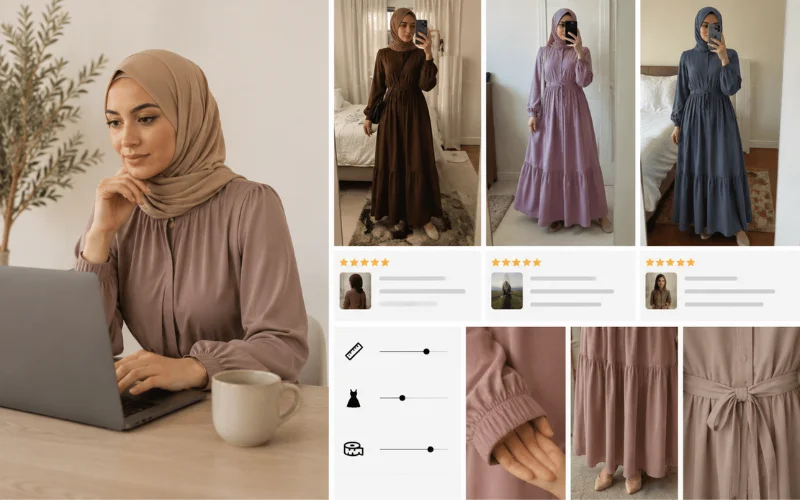
Customer photos and comments about length and fit are usually more reliable than the brand’s own model photos.
Check the return policy before buying multiples
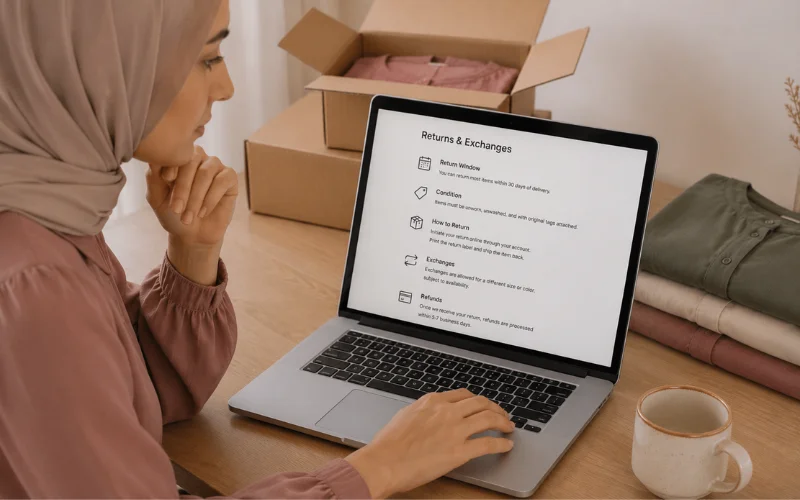
Many shoppers order two sizes of a modest maxi dress and return one — confirm this is allowed before checkout.
Alternative Solutions and Related Options
A modest maxi dress isn’t the only way to achieve full-coverage style, and depending on your needs, one of these alternatives might serve you better:
- Maxi dress + slip extender or layering cami, If you love a specific maxi dress but the sleeves or neckline aren’t quite modest enough on their own, a slip extender (worn under the dress) or a fitted long-sleeve layering top underneath solves the gap without losing the dress you actually wanted.
- Modest midi dress + maxi skirt swap, For shorter women who find true maxi-length dresses overwhelming, a midi dress paired with a long cardigan achieves similar coverage with better proportion.
- Abaya or kaftan-style dress, For an even looser, more relaxed silhouette than a fitted-waist maxi, an open or closed abaya offers maximum coverage with minimal structure, popular for both everyday wear and prayer settings.
- Maternity or nursing-friendly maxi dress, If you’re pregnant or nursing, look specifically for maxi dresses labeled with nursing access (hidden zips, wrap styles) rather than assuming a standard modest maxi dress will accommodate this.
- Plus-size modest maxi dress, Sizing and proportion change significantly above a size 16-18; look for brands that grade their patterns specifically for plus sizes rather than simply scaling up a straight-size pattern, since this affects how the dress drapes and where the waist sits.
Frequently Asked Questions
1. What makes a maxi dress “modest” versus a regular maxi dress?
A modest maxi dress adds three things a standard maxi often lacks: sleeves (typically elbow-length or longer), a higher neckline that doesn’t dip low, and opaque, non-clingy fabric or lining. Length alone doesn’t make a dress modest — a sleeveless or sheer maxi dress isn’t considered modest by most standards.
2. Can I wear a modest maxi dress to a wedding?
Yes. Satin, chiffon, and crepe modest maxi dresses in jewel tones or soft pastels are common choices for wedding guests, especially with a defined waist or subtle embellishment for a dressier look.
3. What fabric is best for a modest maxi dress in summer?
Linen blends, lightweight cotton, and breathable rayon are best for summer since they allow airflow while still providing coverage. Avoid heavy satin or polyester in hot weather, as both trap heat.
4. How do I know if a maxi dress will fit modestly before I buy it?
Check the sleeve length, neckline depth, and fabric opacity in the product description, not just the photos. Customer review photos are especially useful for confirming true fit and length.
5. Are modest maxi dresses available in plus sizes?
Yes, most established modest clothing brands now carry plus sizes, often up to 3XL or 4XL, with some offering dedicated plus-size collections designed with different proportions rather than simply upsized patterns.
6. What’s the difference between a modest maxi dress and an abaya?
A maxi dress typically has a more defined silhouette with a waist seam or belt, while an abaya is looser and often open at the front, worn over other clothing. Both offer full coverage, but the maxi dress is more fitted and versatile for everyday styling.
7. Can petite women wear modest maxi dresses?
Yes, but length matters more for petite frames. Look for petite-specific sizing, a defined waist to break up the length, and avoid dresses with excess volume at the hem, which can shorten the appearance of your frame.
8. How should I style a modest maxi dress for work?
Choose a structured fabric like ponte or crepe in a solid, neutral color, and add a blazer or cardigan. A belt at the waist also helps the dress read as polished rather than casual.
9. Are modest maxi dresses nursing-friendly?
Some are. Look specifically for nursing access features like hidden zippers, wrap necklines, or button-front designs rather than assuming a standard modest maxi dress accommodates nursing.
10. How do I keep a modest maxi dress from looking shapeless?
Add definition with a belt, tie waist, or empire seam, and choose fabrics with some drape rather than stiff, boxy material. Vertical prints, monochrome styling, and structured sleeves also help create shape without sacrificing coverage.
Final Thoughts
Choosing the right modest maxi dress comes down to matching fabric, fit, and length to how you’ll actually live in it — not just how it looks in a single product photo. The category has grown well beyond basic coverage: today’s modest maxi dresses come in fabrics that breathe, silhouettes that flatter a wide range of body types, and designs detailed enough for weddings or simple enough for daily errands. Whether you’re building a capsule wardrobe around a few versatile modest maxi dresses or shopping for a single special-occasion piece, checking the brand’s actual size chart, fabric notes, and lining details before you buy will save far more returns and disappointment than relying on photos alone.