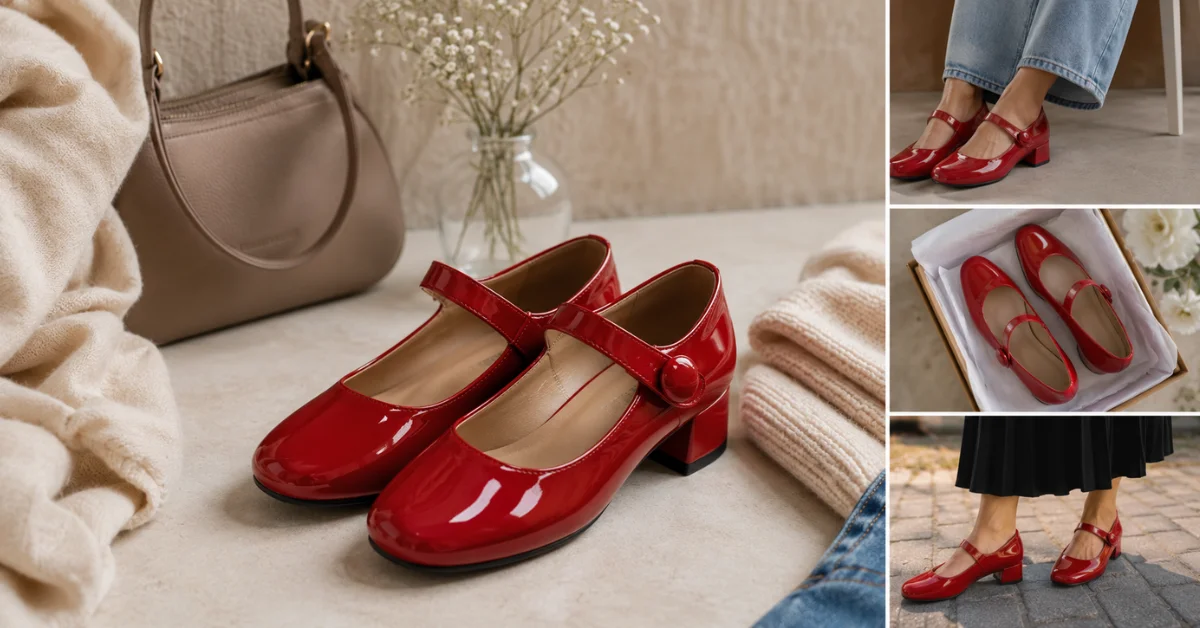
If you have spent any time browsing fashion trends lately, you have probably noticed red mary jane shoes everywhere. Red mary jane shoes have a timeless appeal that instantly makes an outfit feel finished. The signature strap across the instep, combined with a bold red hue, makes red mary jane shoes versatile enough for a school run, an office day, or a night out, depending on the heel height and material. But the popularity of red mary jane shoes does not tell you which pairs are actually comfortable and which ones are likely to leave you with blisters after a few hours of wear.
This guide covers everything you need to know about red mary jane shoes, including fit details, material differences, sizing tips, and care advice that most articles skip entirely. By the end, you will know exactly what to look for when shopping for red mary jane shoes, no matter your age, budget, or occasion. Whether you want classic leather red mary jane shoes or a modern patent finish, this guide will help you choose the right pair with confidence.
Why This Style Never Goes Out of Fashion
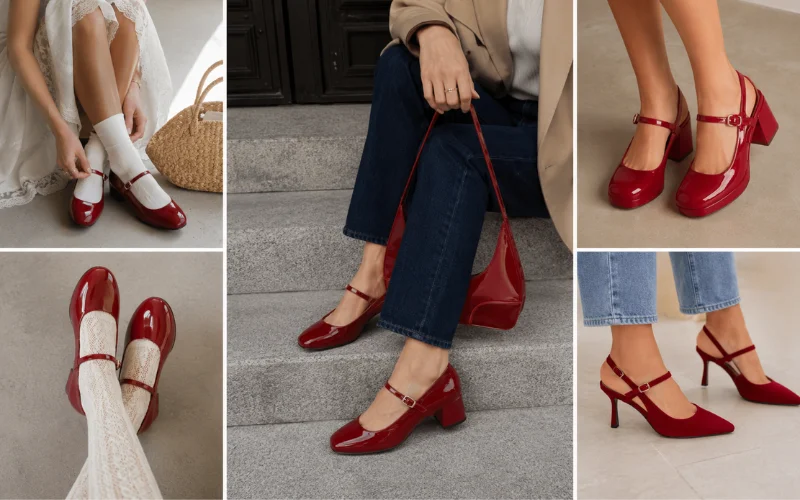
The Mary Jane silhouette has stuck around for over a century, and red versions in particular carry a playful, slightly retro charm that neutral shoes cannot match.
Here is what keeps this shoe relevant:
- A rounded or squared toe that flatters most foot shapes
- A single strap across the instep, usually secured with a buckle, velcro, or slingback elastic
- Endless heel options, from flat and comfortable to a chunky platform or a slim stiletto
- A color that works as a neutral pop, pairing surprisingly well with denim, black, and even other bold shades
Because the design is so simple, brands constantly reinvent it with new soles, straps, and finishes, red mary jane shoes which is why you will find this shoe in toddler sizes and designer runway collections alike.
Choosing the Right Fit: Red Mary Jane Shoes
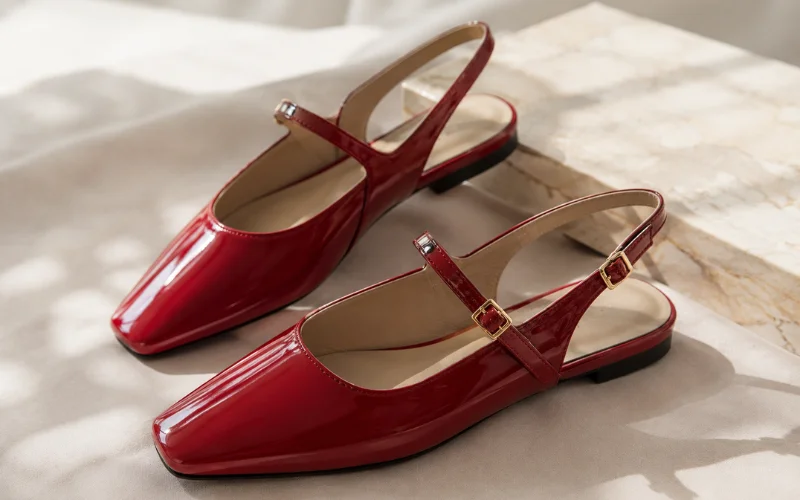
Fit is where most shoppers run into trouble, and it is rarely mentioned in detail anywhere online.
The strap across the instep means the fit works differently than a slip on flat. A few practical points to keep in mind:
- High insteps need extra room: If your foot is naturally higher at the arch, a snug strap can dig in after a few hours. Look for adjustable buckles or elastic slingback straps rather than fixed snaps.
- Narrow heels can slip out the back: even if the front fits well, since the open back design relies on the strap alone to hold the shoe in place.
- Break in period matters more with stiff leather or patent finishes: Suede and soft leather flex faster, while patent styles often need a few short wears before they feel fully comfortable.
- True to size is common, but always check the brand’s own chart: Sizing can shift half a size between a European brand like Charles and Keith and a US brand, so never assume your usual size carries over automatically.
If you are buying online without trying them on first, order two half sizes if the return policy allows it, and keep whichever pair sits comfortably at the heel without slipping.
Material Guide: Patent, Suede, Leather, or Knit
This is the single most useful comparison missing from most competitor pages. Each material behaves differently in daily wear, and red shows every flaw more clearly than darker colors.
| Material | Best For | Care Level | Watch Out For |
|---|---|---|---|
| Patent leather | Office wear, evening looks | Low, wipes clean easily | Scuffs show as white marks |
| Suede | Casual, everyday wear | Medium, needs a suede brush | Rain and puddles stain quickly |
| Smooth leather | Versatile, long term wear | Medium, benefits from conditioner | Creasing over time |
| Knit or recycled fabric | Sustainable, lightweight wear | High, often machine washable | Less structure and support |
Patent red shoes photograph beautifully and resist everyday wear well, but scuffs are highly visible against the glossy finish. Suede has a softer, more casual look but is genuinely risky in wet weather, since water spots are difficult to remove from red suede without leaving a mark. Smooth leather ages the best over years of wear if you condition it occasionally.
Caring for Red Shoes: The Part Everyone Skips
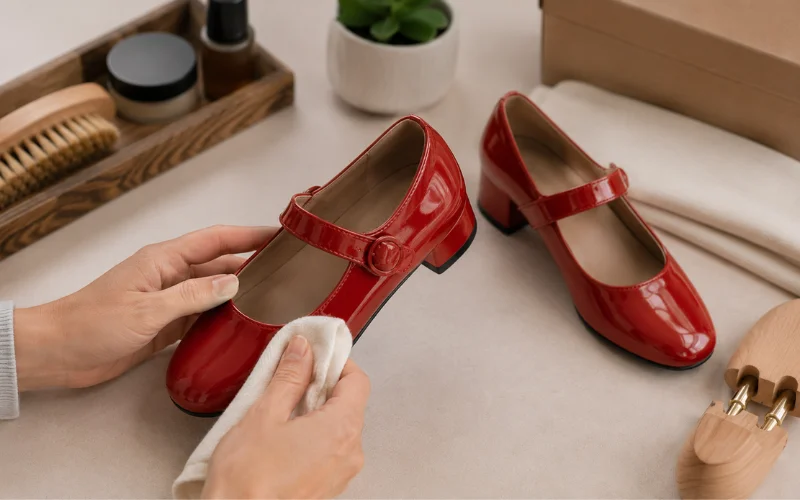
Red is a high maintenance color in ways that black or brown simply are not, and almost no article addresses this directly.
Keep these tips in mind:
- Color transfer is real: Red dye can rub off onto light colored socks, car upholstery, or pale clothing, especially in the first few wears. Wipe the interior lining with a dry cloth before the first wear to reduce this.
- Scuffs show more on red than on neutrals: Keep a small patent shoe repair pen or leather conditioner on hand that matches the shade as closely as possible.
- Store them away from direct sunlight: Red pigment fades faster than darker colors when shoes sit near a window or under strong light for long periods.
- Clean spills immediately: A fresh mark is far easier to lift than one that has set into suede or fabric overnight.
A few minutes of care after each wear keeps this style looking sharp for years instead of months.
Styling Ideas for Every Occasion

Red pairs more easily than people expect, since it acts almost like a neutral once you get used to wearing it.
- Casual daytime: straight leg jeans, a plain white tee, and a cropped jacket
- Office appropriate: tailored trousers or a midi skirt with a tucked in blouse
- Evening out: a little black dress, since the red shoe becomes the statement piece
- Retro inspired: a pleated skirt with knee high socks for a school girl inspired look
- Family matching moments: a coordinating mother and daughter pair for holidays, portraits, or special events, which is a genuinely underused idea in most style guides
Budget Guide: What You Actually Get at Each Price Point
Price ranges vary enormously for this style, and knowing what to expect helps you avoid overpaying or underestimating quality.
- Under $60: Often synthetic uppers, basic soles, and simpler stitching. Fine for occasional wear or growing kids who outgrow shoes quickly.
- $60 to $150: Genuine leather or suede uppers, better arch support, and sturdier soles built for regular wear.
- $150 and above: Designer construction, premium leather, and refined detailing, along with recognizable branding.
For most adults buying a single versatile pair, the middle range delivers the best balance of comfort, durability, and style per dollar spent.
A Quick Word on Sustainability
Few buying guides about red mary jane shoes mention this, but the materials used in red mary jane shoes matter far beyond fit and appearance. Knit uppers made from recycled plastic bottles have become a genuine alternative for red mary jane shoes, offering a lighter carbon footprint along with machine-washable convenience. Leather red mary jane shoes remain the most durable option over many years of wear, while synthetic red mary jane shoes are generally the least eco-friendly but the most budget-friendly choice for growing kids or occasional use.
If sustainability matters when buying red mary jane shoes, check the product description for recycled materials or leather sourcing certifications before checkout. Many brands selling red mary jane shoes rarely highlight this information prominently on their category pages, so taking a closer look at the product details can help you choose red mary jane shoes that match both your style and your values.
FAQs
Do they match everything?
Yes, red works far better as a neutral than most people expect. It pairs naturally with denim, black, white, and other bold colors without clashing.
Are they comfortable for all day wear?
Comfort depends on the strap style and sole. Adjustable buckles or elastic slingback straps with a low or flat heel are usually the most comfortable for full days on your feet.
How do I stop red shoes from staining my clothes?
Wipe the interior lining with a dry cloth before your first few wears to remove excess dye, and avoid wearing them with pale socks until the color has fully set.
Can I wear this style in the rain?
Patent and treated smooth leather handle light rain reasonably well. Suede is best avoided in wet weather, since water spots are hard to remove once they set in.
What size should I order if I am between sizes?
Order the larger size if the strap sits high on the instep, since a shoe that is slightly loose can be adjusted with the buckle, while a tight fit cannot.
Do these shoes work for children as well as adults?
Yes, this style is popular across age groups, from toddler sizes with velcro closures to adult styles with buckles or slingback straps, making matching family sets an easy option.
How long do they typically last?
With proper care, leather or suede pairs in the mid price range often last two to three years of regular wear, while budget synthetic pairs may need replacing sooner.
What heel height is best for everyday wear?
A flat or low block heel under two inches offers the most stability and comfort for daily errands, work, or walking, while a higher heel suits occasional dressier occasions.
Final Thoughts
This shoe remains a genuinely versatile wardrobe piece, not just a trend. The right pair depends less on the color itself and more on getting the strap fit, material, and heel height right for how you actually plan to wear them. Pay attention to instep fit, choose a material that matches your lifestyle, and give red shoes a little extra care compared to darker colors, and you will get years of wear out of a style that never really goes out of fashion.