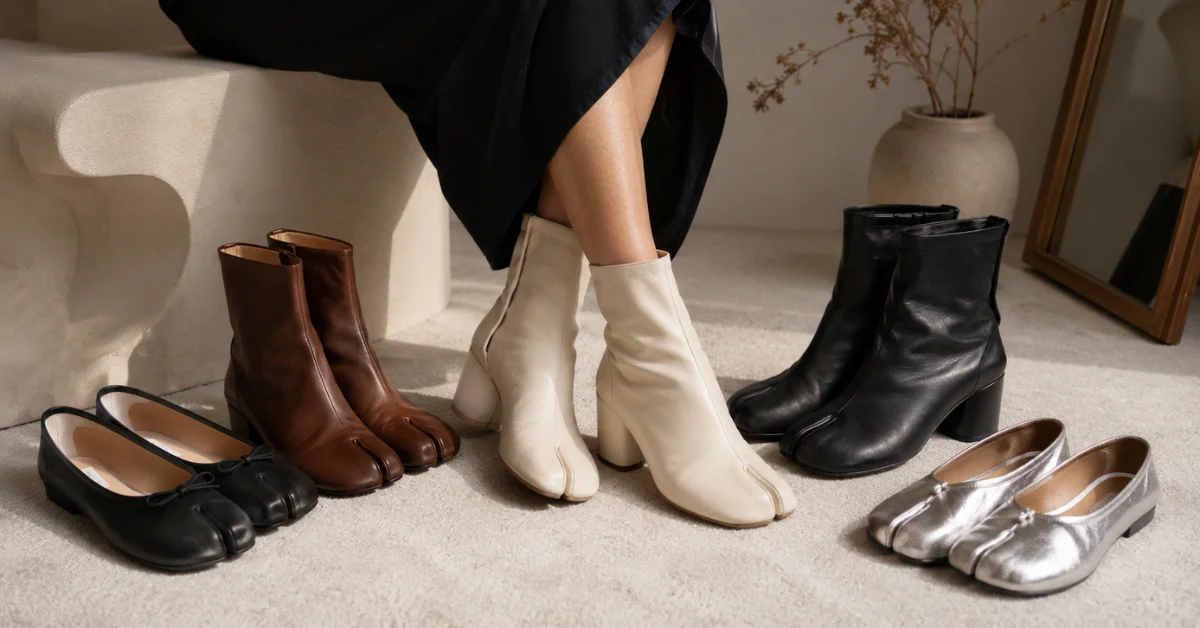
Tabis shoes are one of the most talked about, and most misunderstood, pieces of footwear in fashion right now. That split toe either fascinates you or throws you off completely, and honestly, both reactions make sense. This shoe was built to look different on purpose.
This guide covers what most articles skip. You will learn where the design actually came from, how the fit really feels on your foot, which type suits your budget, and how to style them without looking like you are wearing a costume. If you have been curious about this trend but unsure where to start, you are in the right place.
What Are Tabis Shoes, Exactly?
Tabis shoes get their name and shape from the traditional Japanese tabi sock, a garment worn for centuries with a split between the big toe and the other four toes. Construction workers in Japan still wear a rugged version called jika-tabi, which inspired the fashion silhouette fans know today.
In 1988, Belgian designer Martin Margiela adapted that split-toe shape into a leather shoe for his debut runway show. The design included a rounded heel and small metal clasps at the back, known as kohase, which fasten the shoe closed. That original silhouette is still recognizable in nearly every pair sold today, whether it costs seventy dollars or several thousand.
Why Tabis Shoes Divide Opinion
Here is something most articles will not tell you plainly: this shoe is designed to unsettle you a little. The split toe creates what some people call an uncanny effect, since it makes the foot look slightly hoof-like. That reaction is not a flaw, it is the point.
Fashion historians often connect this to a broader movement in the late 1980s, when designers like Margiela, Yohji Yamamoto, and Rei Kawakubo pushed against traditional ideas of beauty in clothing. Tabis shoes became a symbol of that shift, and wearing them still signals a certain confidence. You are not dressing for everyone else’s approval.
Do They Actually Feel Different to Wear?
This is the question most product pages avoid answering honestly, so let’s cover it here.
- The split toe takes adjustment: Your foot naturally wants to move as one unit, so the first few wears can feel unusual, especially in boots.
- Balance often improves: Many wearers report better stability once they adjust, since the separated big toe engages differently while walking.
- Socks matter more than you think: Traditional tabi socks, which also have a split toe, sit more comfortably under this design than regular socks bunching awkwardly between your toes.
- Break-in time varies by material: Leather pairs typically need one to two weeks of light wear before they feel fully natural, while canvas or knit versions adjust faster.
If you are trying tabis shoes for the first time, wear them around your home for short stretches before committing to a full day out.
How to Choose the Right Tabis Shoes for You
Not every pair is created equal, and price alone does not tell you which one fits your life. Here is a breakdown by category that most guides never include.
Heritage and Designer Pairs
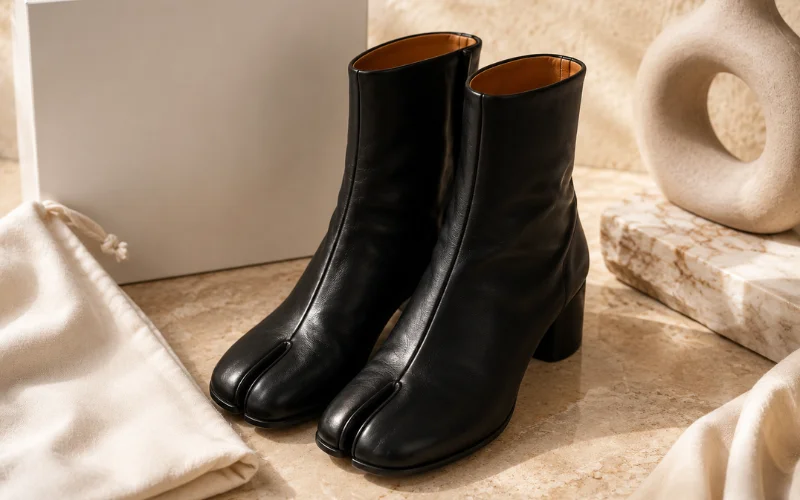
Original Maison Margiela shoes sit at the top of the market, often between one thousand and over four thousand dollars. You are paying for the actual design history, refined leather work, and a piece that holds resale value. This is the right choice if you want the authentic archive silhouette and do not mind the investment.
Performance-Focused Pairs

Some newer brands build their designs around function first, aesthetics second. These pairs often use the split toe for genuine grip and balance benefits, borrowing from the jika-tabi’s construction-wear roots. Expect a firmer, more athletic fit and a mid-range price point, generally under two hundred dollars.
Handmade and Small-Batch Options
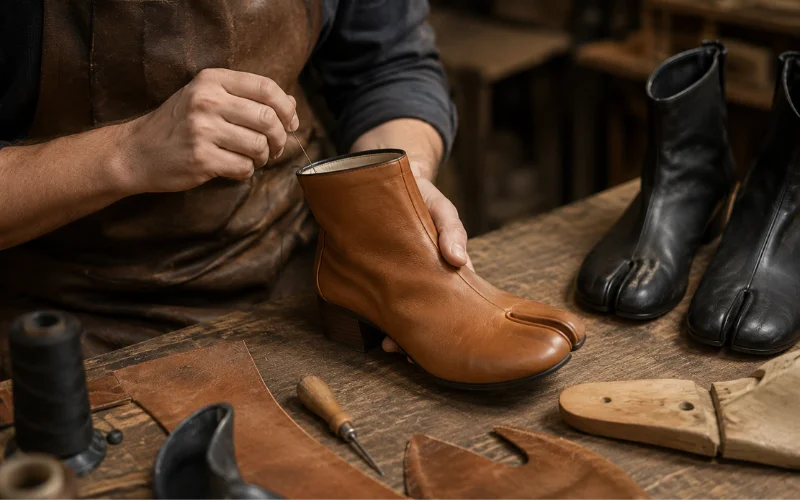
A growing number of independent makers produce these shoes in small batches, often using traditional leatherworking techniques. These pairs tend to have more character and slight variation between units since each one is cut and stitched by hand. Expect to pay between two hundred and three hundred fifty dollars, and expect a slightly longer break-in period.
Budget-Friendly Styles

Mass retailers now offer this style starting around seventy dollars, usually in flats, sneakers, or ballet-style silhouettes. These are a smart way to try the trend before committing to a pricier pair, though the materials and stitching will not match handmade or heritage options.
How to Style Tabis Shoes Without Overthinking It

A lot of people avoid this shoe because they assume it needs an equally bold outfit. That is simply not true.
- Pair them with tailored basics: Straight-leg trousers and a simple top let the silhouette stand out naturally.
- Let the toe shape peek out: Cropped or ankle-length pants show off the split toe detail, which is often the whole reason people choose this design in the first place.
- Balance a bold pair with simple accessories: If your shoes have an unusual color or texture, keep jewelry and bags minimal.
- Try them with a slip dress for contrast: Soft, flowing fabric next to a structured, architectural shoe creates an interesting visual balance.
Start with a low-heel or flat style: If you are new to tabis shoes, a flat or low heel is easier to get used to than a tall boot version.
Caring for Your Pair
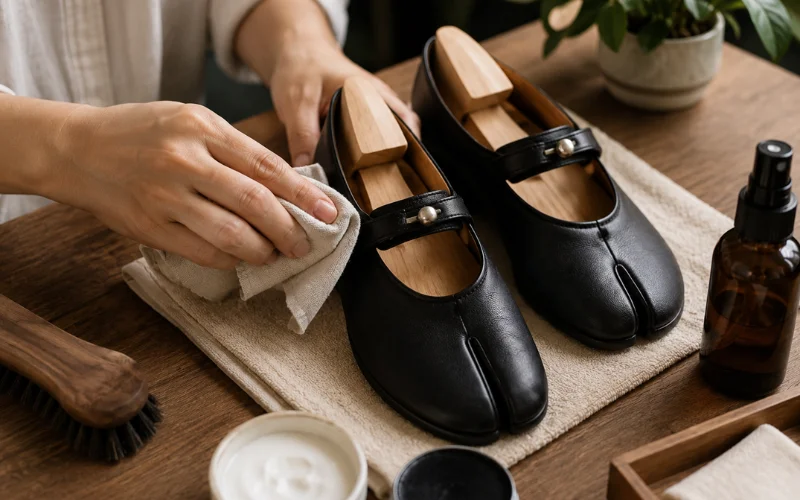
Because the split-toe shape is structural, proper care keeps it looking sharp for years.
- Use a shoe tree or stuffed paper between wears to help leather pairs hold their shape.
- Clean the kohase clasps gently with a dry cloth, since moisture can cause the metal to tarnish.
- Store leather pairs away from direct sunlight to prevent the material from drying out or cracking.
- Waterproof canvas or suede versions before the first wear if you plan to walk in unpredictable weather.
Sizing Tips Nobody Mentions
Sizing runs differently across brands, more so than with typical footwear. A few things to keep in mind before you buy:
- Handmade pairs often run slightly narrow at first, since the leather has not yet stretched to your foot shape.
- If you have wider feet, look specifically for brands that mention a roomier fit for the big toe section.
- When shopping online, check the brand’s specific size chart rather than converting from your usual shoe size, since tabis shoes are cut differently than standard lasts.
- If you are between sizes, sizing up is usually safer for boot styles, since leather boots tend to feel tighter than flats at first.
FAQs
1. What makes tabis shoes different from regular shoes?
The split toe is the defining feature. It separates the big toe from the other four, a shape borrowed from traditional Japanese tabi socks and adapted into fashion footwear by designer Martin Margiela in 1988.
2. Are tabis shoes comfortable to walk in?
Most wearers say the fit takes a short adjustment period, but many find their balance actually improves once they get used to the split-toe shape. Comfort also depends heavily on material and break-in time.
3. Do I need special socks for tabis shoes?
You do not need them, but traditional split-toe tabi socks fit more naturally and prevent bunching between your toes. Regular socks work fine too, especially with closed-toe styles.
4. Why are some pairs so expensive?
Original designer pairs carry the weight of fashion history, refined materials, and brand heritage, which drives up the price. More affordable versions exist from other brands, so cost is not a barrier to trying the style.
5. Can I wear this shoe to work or formal settings?
Yes, especially flat or low-heel versions paired with tailored trousers or a simple dress. The key is keeping the rest of the outfit clean and structured so the shoe reads as intentional rather than costume-like.
6. How do I know what size to order?
Always check the specific brand’s size chart instead of guessing from your usual shoe size. Fit varies more from brand to brand here than it does with standard footwear.
7. Do tabis shoes run true to size?
It depends on the brand and material. Leather boots often run slightly tight before breaking in, while flats and canvas styles tend to be closer to true to size.
8. Are tabis shoes only for women?
No, this style is made for men, women, and unisex sizing depending on the brand. The split-toe silhouette works across genders and has grown in popularity well beyond one category.
Final Thoughts
Tabis shoes are not just a passing trend, they are rooted in real history, real craftsmanship, and a design choice that still sparks conversation decades later. Whether you go for an original designer pair, a performance-driven option, a handmade version, or a budget-friendly starter pair, understanding the fit, sizing, and care will help you get the most out of them. Give yourself a short adjustment period, choose a style that matches your lifestyle, and you will likely find that this shoe earns its reputation the moment you actually try it on.